

Knitwear makes up a significant part of the winter wardrobe. We love it for its soft texture, delicate detailing, and the comforting warmth it brings during colder months, rewarding us with a sense of understated luxury and timeless elegance. Yet, like all fine wardrobe staples, knitwear requires thoughtful care to maintain its beauty and longevity. Proper cleaning and storage are essential to ensure these pieces remain in impeccable condition season after season.
To help your knitwear receive the care it truly deserves, we have created a comprehensive guide outlining the best practices for maintaining and preserving these cherished garments.
Wash sweaters sparingly
One of the most common mistakes is washing knitwear too frequently, which causes fibers to weaken and garments to lose their shape more quickly. In reality, most knitwear requires minimal washing. Wool, in particular, is a natural fiber with self-cleaning properties that repel odors and dirt. In many cases, airing out a sweater is enough. A smart approach is to wash knitwear at the end of the season, just before storing it away.
Avoid machine washing whenever possible
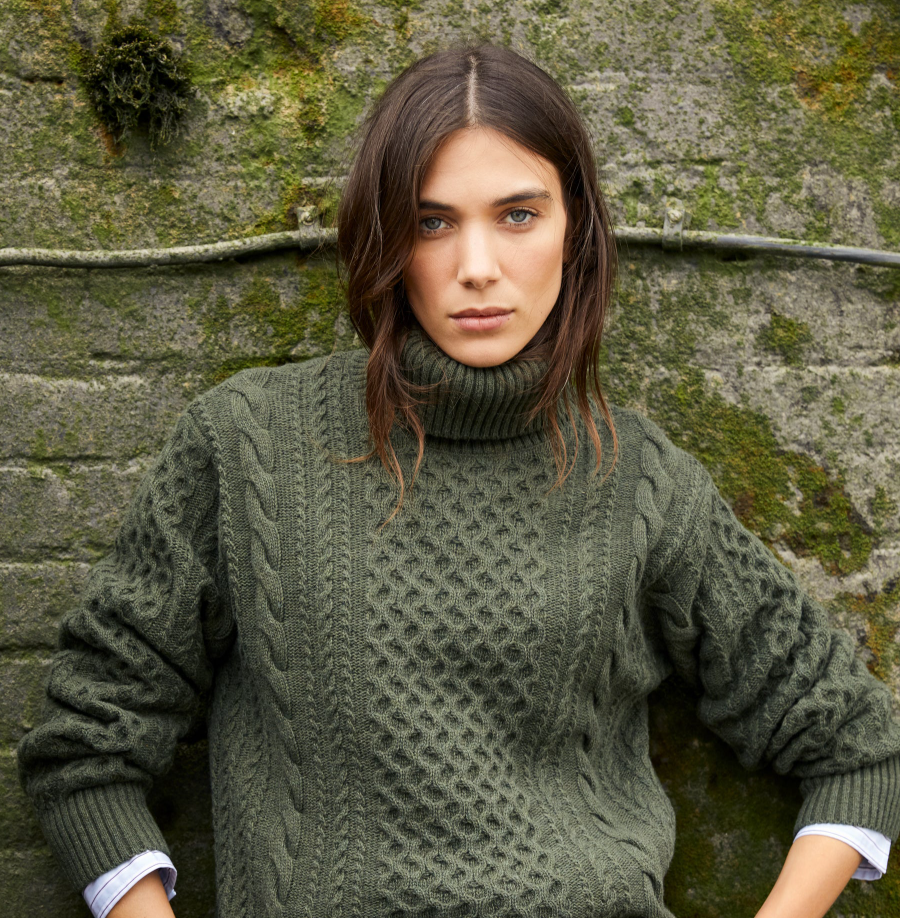
While care labels on luxury knitwear often recommend dry cleaning, hand washing is usually the gentlest and most effective option. Knit fibers respond well to water, much like hair, as it helps them rehydrate and regain softness. Wash garments by hand in cold water using a mild, non-organic detergent. Machine washing should be avoided whenever possible, as spinning and agitation can cause shrinkage and distortion. Ironing sweaters is also not recommended, as heat can damage delicate fibers.

Lay flat to dry, never hang
To preserve the original shape of your knitwear, avoid hanging it to dry. Wet fibers become heavy, and gravity can stretch the garment beyond repair. Instead, gently press out excess water and lay the sweater flat on a clean towel, reshaping it as needed while it dries.
Invest in a fabric shaver
Pilling is often a sign of a well-loved sweater, but it can make even the finest knitwear look worn. A high-quality fabric shaver can restore a sweater’s appearance and extend its lifespan. All soft, natural fibers will pill over time. The difference between high-quality and lower-quality knitwear lies in the amount of pilling. Once surface fibers are removed, the yarn stabilizes, leaving the garment smoother and more refined.
Protect knitwear from moths
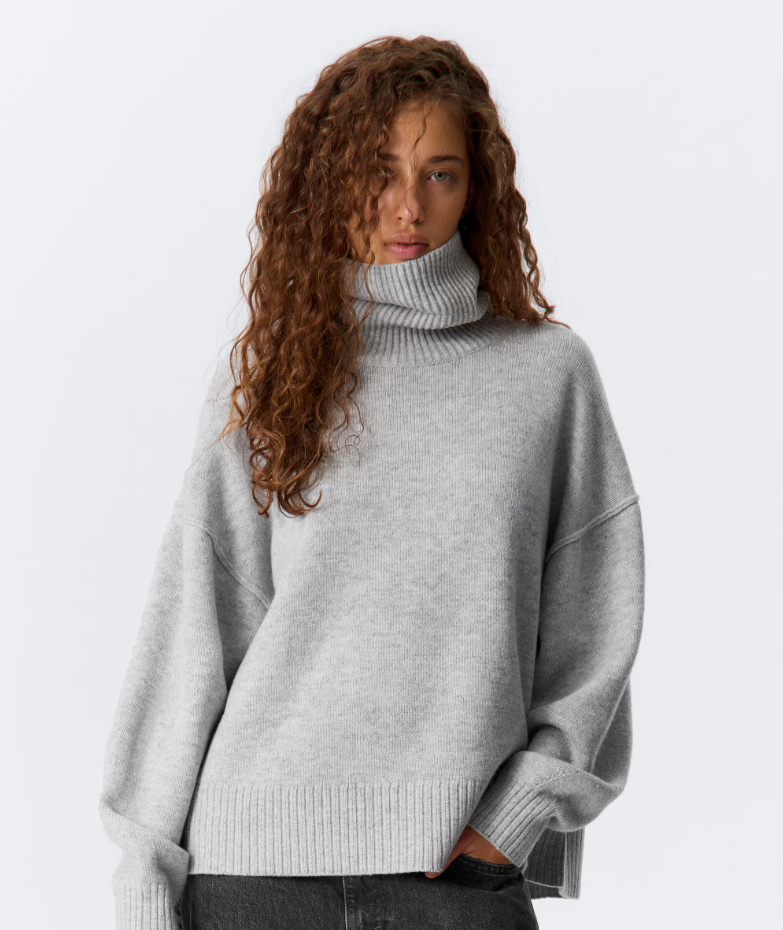
To keep moths at bay, place cedarwood or lavender sachets in drawers and storage boxes. Always ensure knitwear is clean before storing it, as moths are attracted to natural fibers that carry traces of body oils or food residue.

Trust a professional when in doubt
If you are uncertain about how to clean a particular piece, taking it to a professional cleaner is always a worthwhile investment. Specialists treat each garment individually, adjusting temperature and techniques according to fiber type and color. This level of care ensures that every sweater receives the treatment it needs without unnecessary risk.
With the right approach, knitwear can remain soft, structured, and beautiful for years, becoming a lasting part of a well-curated wardrobe rather than a seasonal indulgence.