

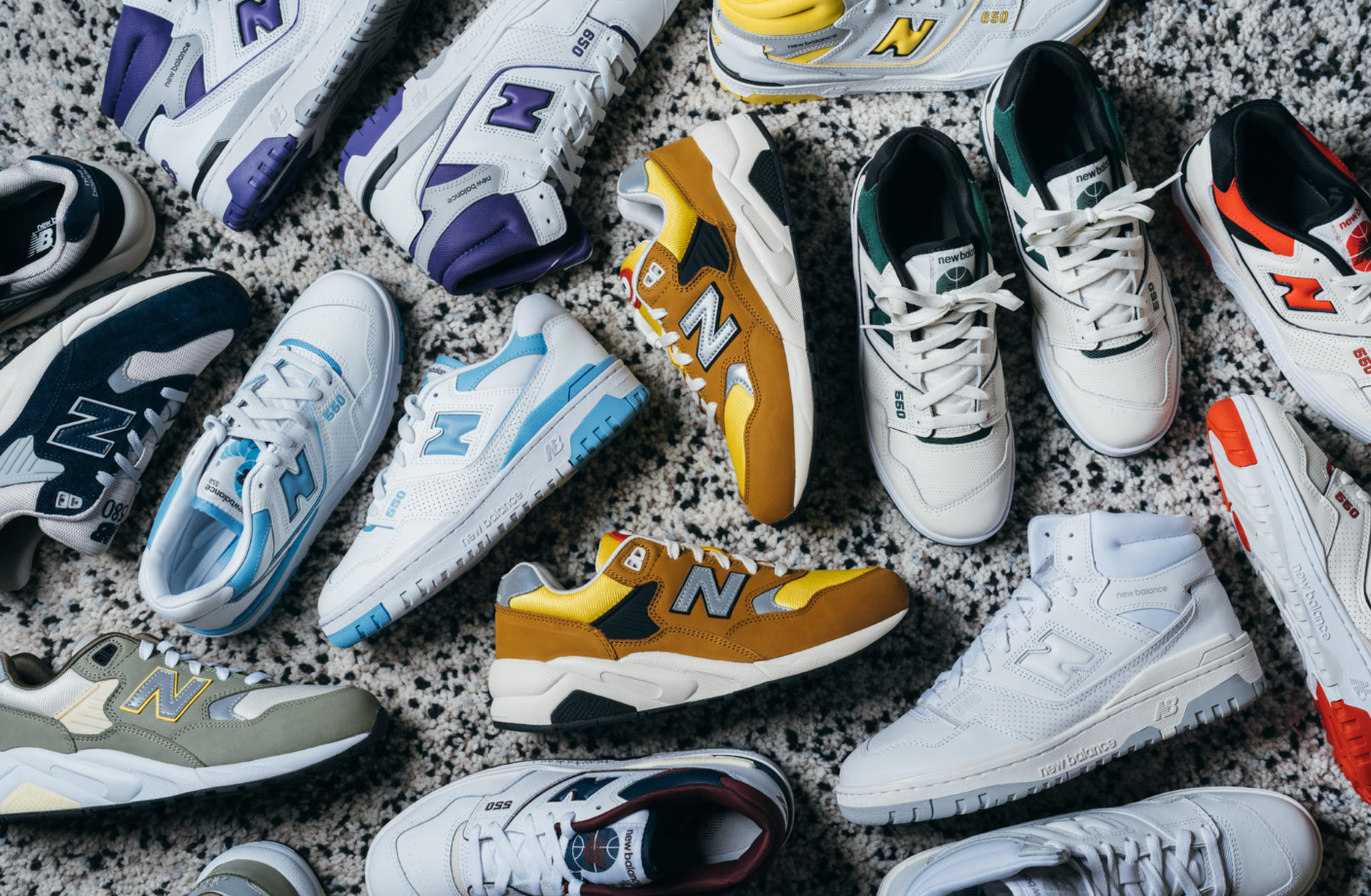
Sneakers may feel universal and everlasting, but not every pair is designed with longevity in mind. While some silhouettes have become permanent fixtures in modern wardrobes, others are closely tied to specific trend cycles and inevitably fade as fashion moves on. Understanding which sneaker brands and models are truly timeless, and which are more likely to date, makes the difference between building a lasting collection and chasing short-lived hype.
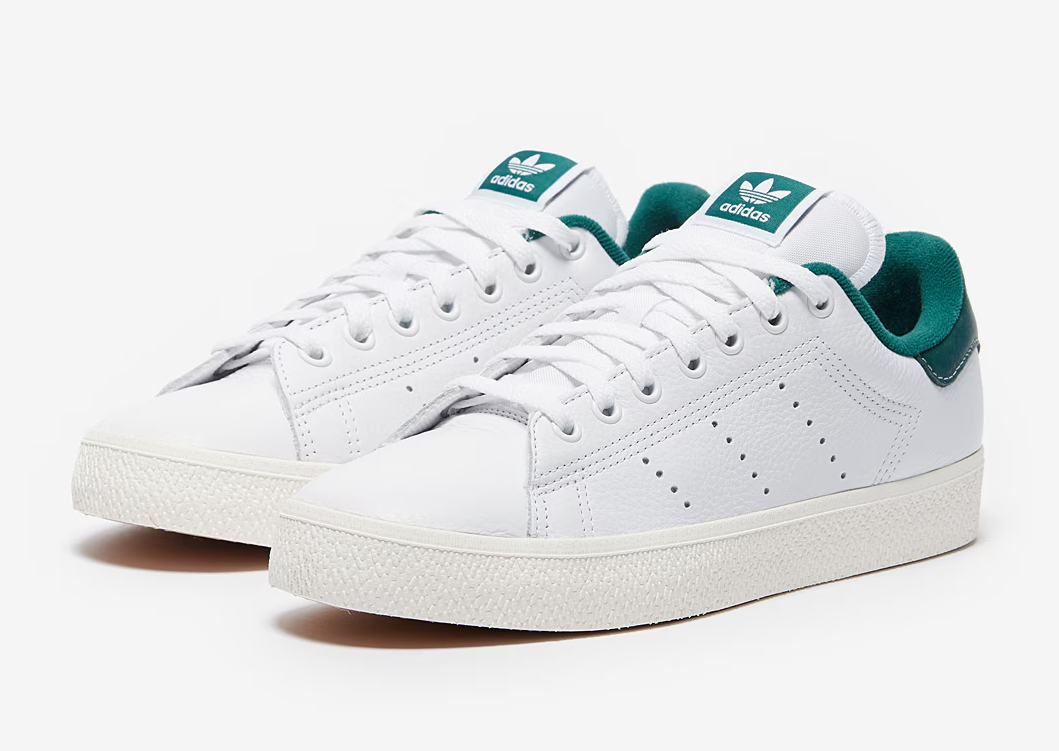
Sneakers that never go out of style tend to come from brands that prioritize proportion, functionality, and restraint. Models like the Adidas Stan Smith and Adidas Superstar have remained relevant for decades precisely because their design has barely changed. Clean lines, familiar shapes, and neutral colorways allow them to work just as effortlessly with tailoring as they do with denim. They feel neither retro nor overly modern, which is exactly why they endure.
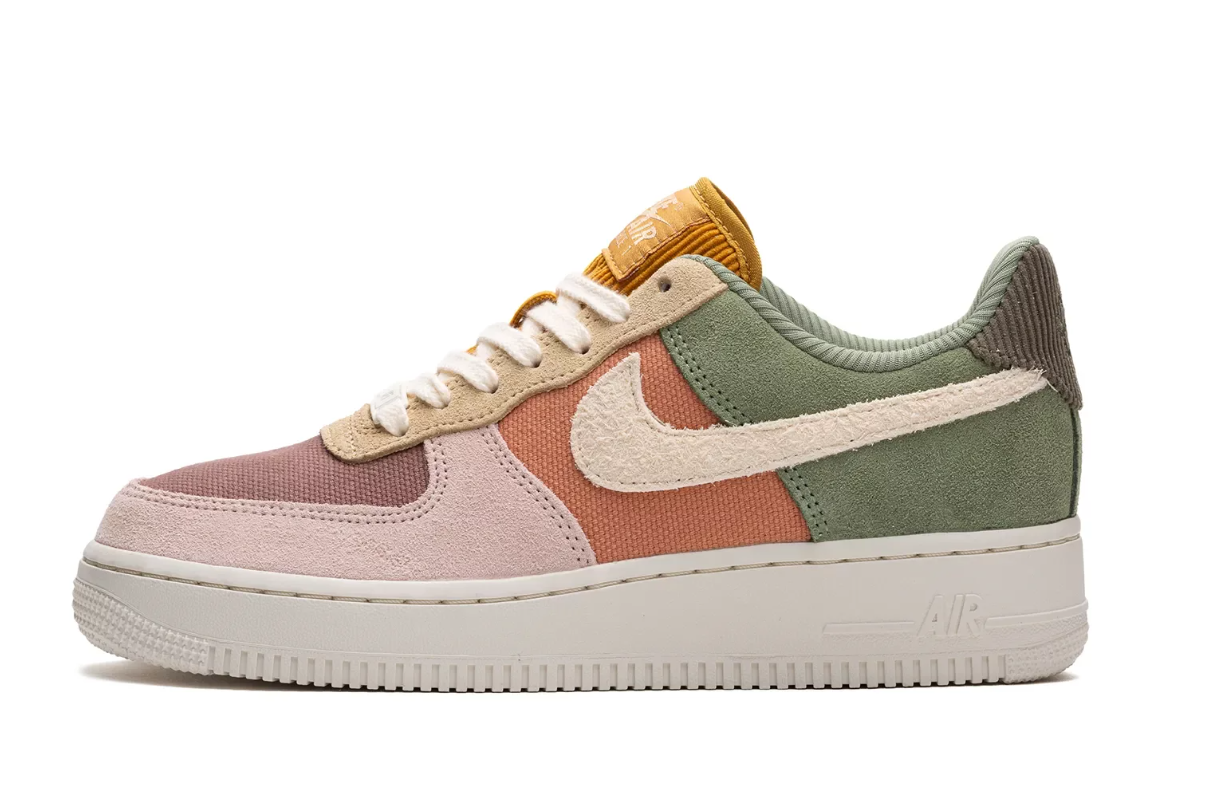
Nike also holds a strong place in the timeless sneaker conversation. The Nike Air Force 1, particularly in classic white leather, has proven to be one of the most adaptable sneakers ever created. Its appeal spans generations, subcultures, and personal styles, evolving naturally without losing its core identity. Similarly, the Nike Cortez remains a low-profile classic that continues to feel relevant thanks to its simplicity and lightweight silhouette.
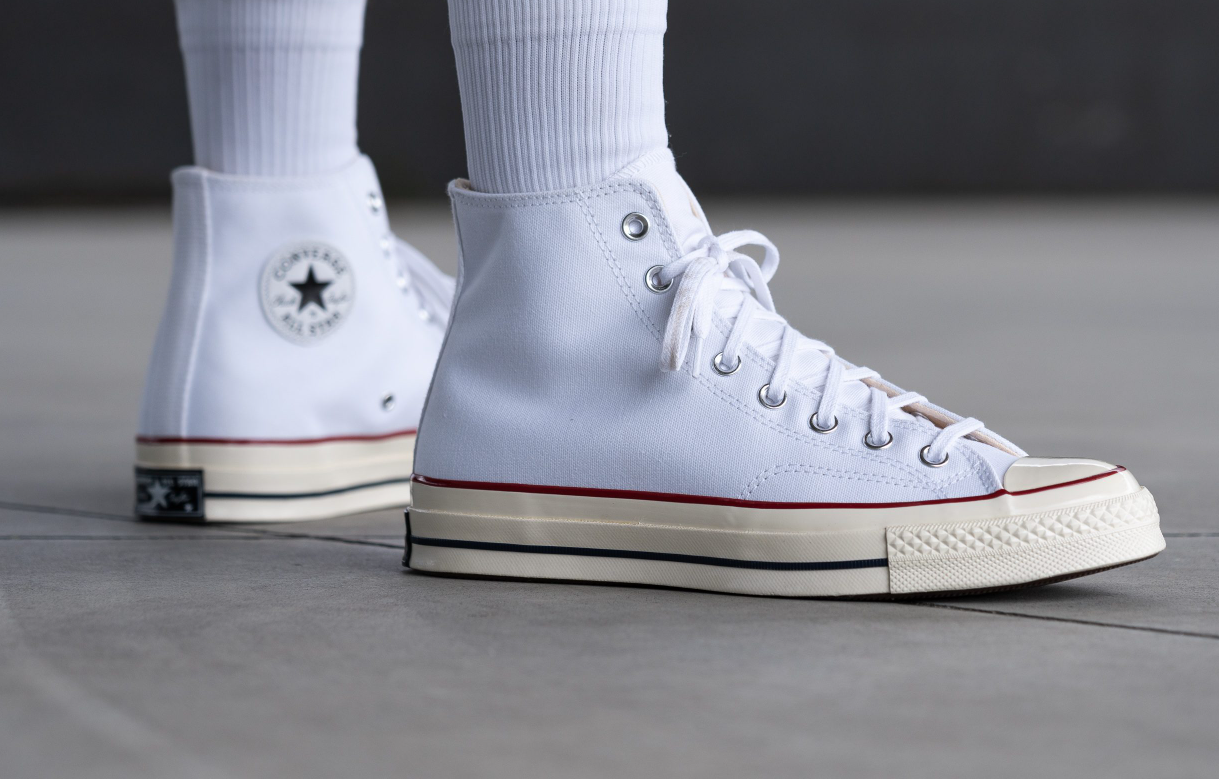
When it comes to canvas sneakers, Converse stands unmatched. The Chuck Taylor All Star has transcended trends, age groups, and fashion categories, remaining a constant in wardrobes across the world. Whether worn pristine or well-worn, high-top or low, it adapts seamlessly to personal style. Vans Old Skool sneakers share a similar fate, rooted in skate culture but embraced universally for their practicality and timeless appeal.
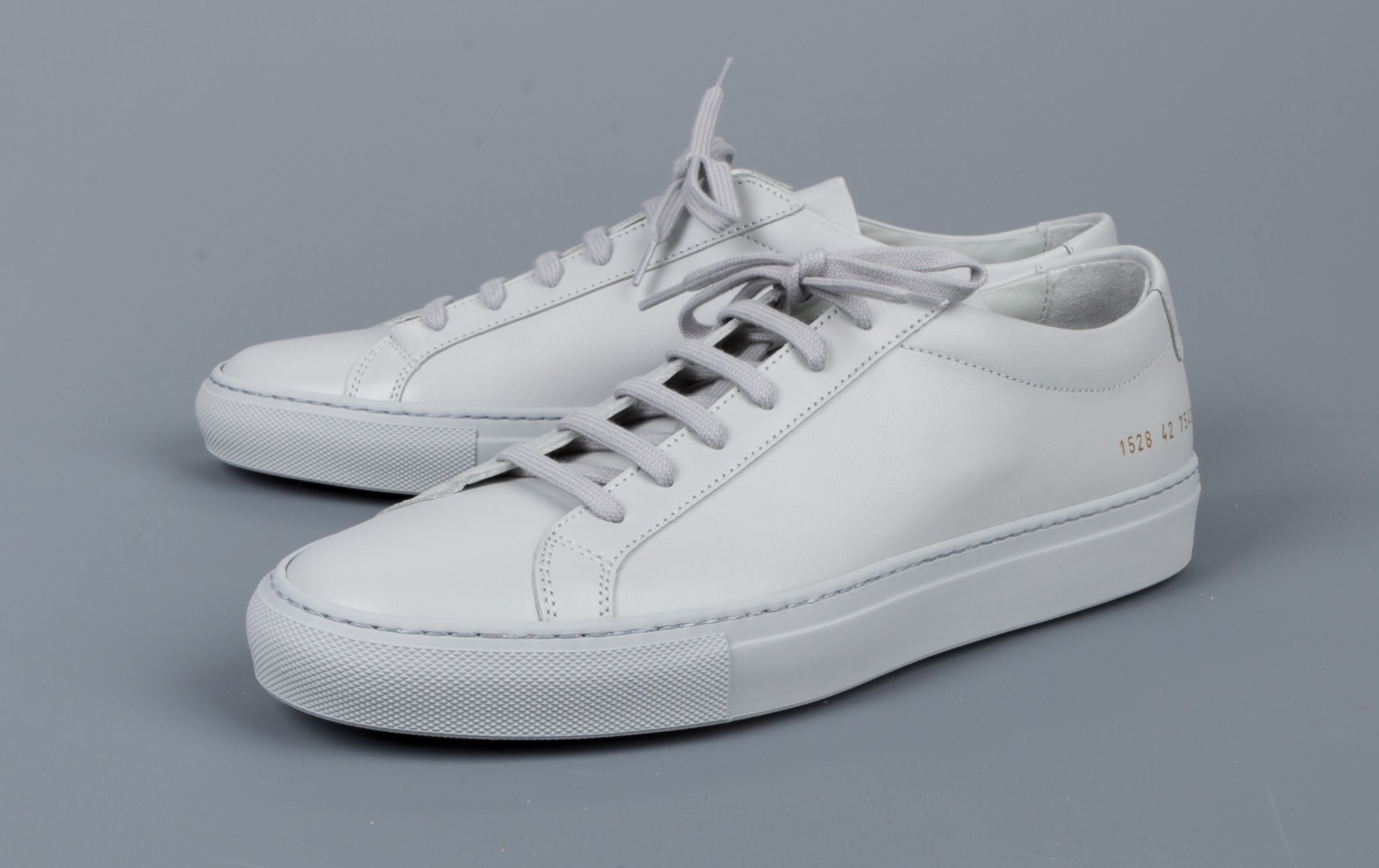
Minimalist leather sneakers from brands like Common Projects have also secured their place as modern classics. The Achilles Low, known for its clean construction and understated branding, helped define the rise of luxury minimalism in footwear. Its influence can be seen across countless contemporary brands, yet the original remains relevant because it avoids excess and focuses on quality and proportion.
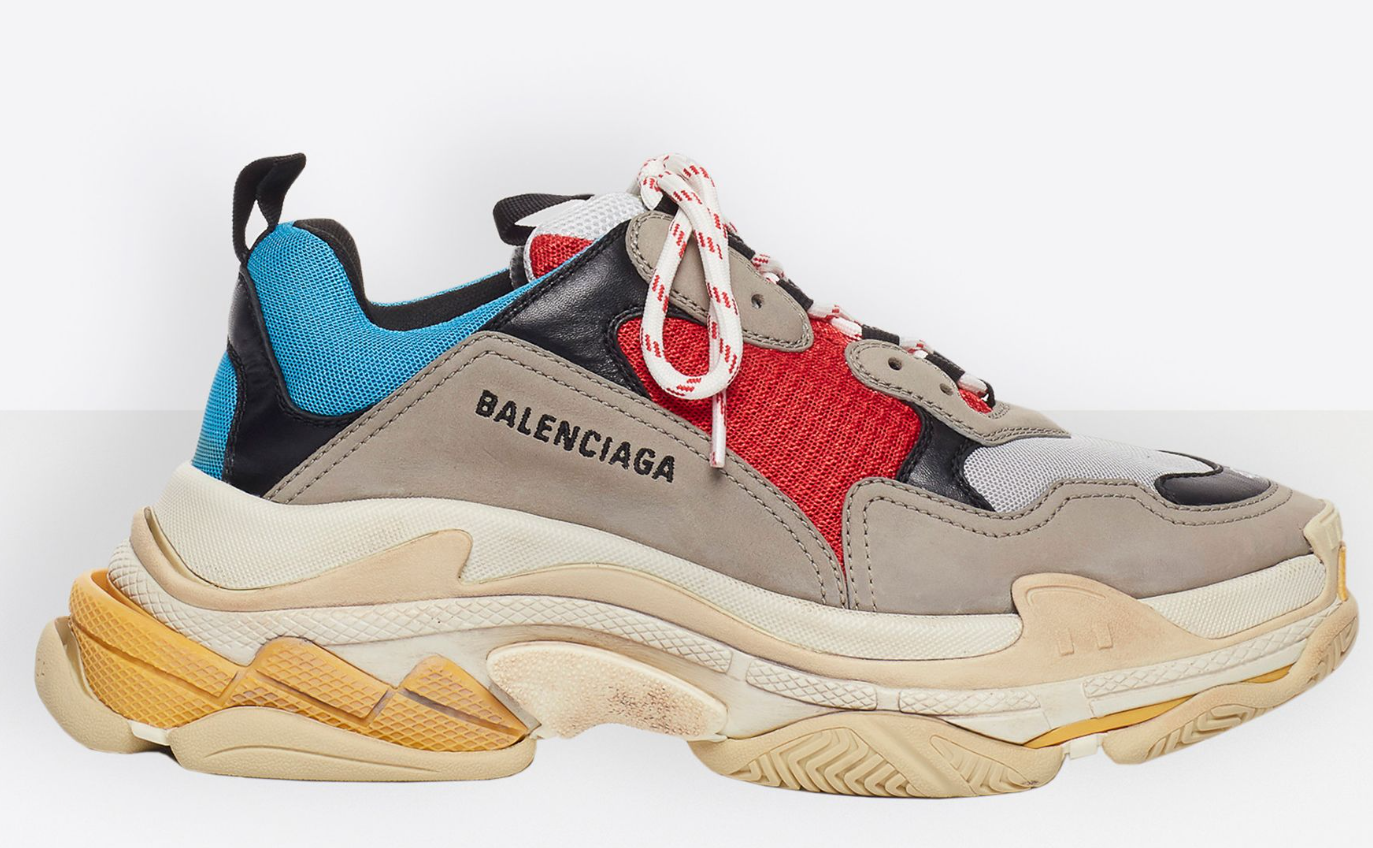
On the other hand, sneakers that go out of style are often tied to brands or models that lean heavily into trend-driven design. Oversized, exaggerated silhouettes such as the Balenciaga Triple S or similar chunky “dad sneakers” defined a very specific fashion era. While impactful at their peak, their bold proportions and statement-heavy aesthetic make them harder to wear as trends shift toward cleaner lines.
Logo-heavy sneakers also tend to age quickly. Models where branding dominates the design, often seen in certain Gucci or Louis Vuitton sneakers with oversized logos or monogram patterns, can feel dated once logo maximalism falls out of favor. Their appeal is closely linked to visibility and status rather than timeless design, which limits their longevity.
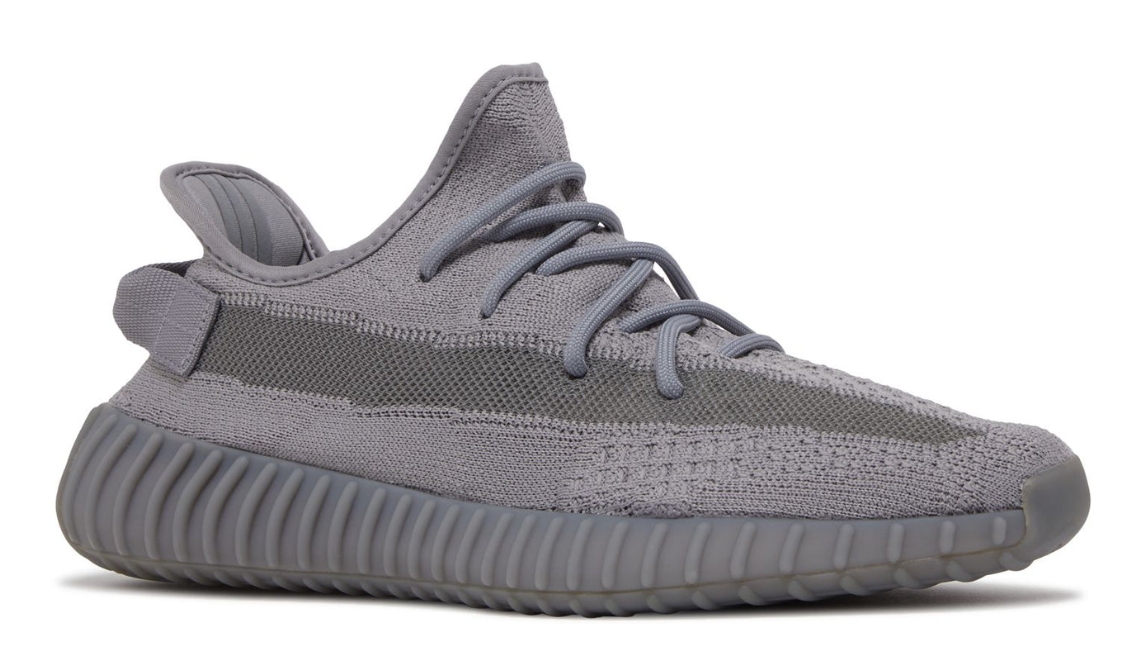
Highly technical or experimental sneakers from brands like Yeezy also fall into this category. While Adidas Yeezy models played a major role in shaping sneaker culture for a time, their distinctive shapes and futuristic designs are strongly tied to a specific cultural moment. As trends evolve, these silhouettes can feel less adaptable to everyday wardrobes.
Even within classic brands, certain models are more trend-sensitive than others. Limited-edition colorways, extreme platform soles, or novelty materials may feel exciting initially, but they rarely offer the versatility needed for long-term wear. Once the novelty fades, these sneakers often remain unworn, no longer aligning with the rest of a curated wardrobe.
This distinction does not mean trend-driven sneakers should be avoided entirely. Brands like Balenciaga, Gucci, and Yeezy have played an important role in pushing sneaker design forward and shaping fashion conversations. The key lies in balance. Timeless sneakers from brands such as Adidas, Nike, Converse, Vans, and Common Projects form the foundation, while trend-focused designs can be added selectively for expression rather than permanence.
Ultimately, sneakers that never go out of style are defined less by branding and more by consistency. They are the pairs that brands rarely redesign because they do not need reinvention. Meanwhile, sneakers that go out of style are often those built to capture attention rather than endure. True longevity comes from choosing designs that feel grounded, versatile, and quietly confident, qualities that only a handful of brands and models manage to achieve season after season.