


In a world where external factors such as viruses and bacteria challenge our health on a daily basis, paying close attention to what we eat has become more important than ever. Our diet does far more than provide energy, it plays a vital role in strengthening the body’s natural defense systems. From vitamins and minerals to antioxidants and flavonoids, the foods we consume directly influence immune performance and help protect against a wide range of illnesses, particularly during the colder months.
“You may feel tempted to rely on supplements or gravitate toward lighter, sweeter, or saltier foods such as chocolate and packaged snacks, but these are not necessarily the best choices for keeping both body and mind strong during the colder, darker days of winter,”-notes Dr. Uma Naidoo, a Harvard-trained psychiatrist and nutritional biologist, in an article for cnbc.com.
Dr. Naidoo emphasizes that gut health is central to overall well-being. Nearly 70 percent of the immune system resides in the gut, while mental health is closely linked to the microbiome through the gut–brain connection. For this reason, she consistently encourages people to pay particular attention to foods that support gut health during this time of year, making intentional and mindful dietary choices. It is also the approach she follows herself to maintain balance and resilience throughout winter.
Below are the foods Dr. Naidoo prioritizes to help strengthen the immune system during colder months.
Citrus fruits

Lemons, oranges, mandarins, grapefruit, and more are excellent sources of vitamin C, a powerful antioxidant known for its immune-supporting properties. Citrus fruits also provide a good amount of fiber, which supports gut health and brain function. Add a squeeze of lemon to your tea, incorporate citrus into salads, or prepare a simple lemon vinaigrette for roasted vegetables to easily include them in your daily meals.
Leafy greens
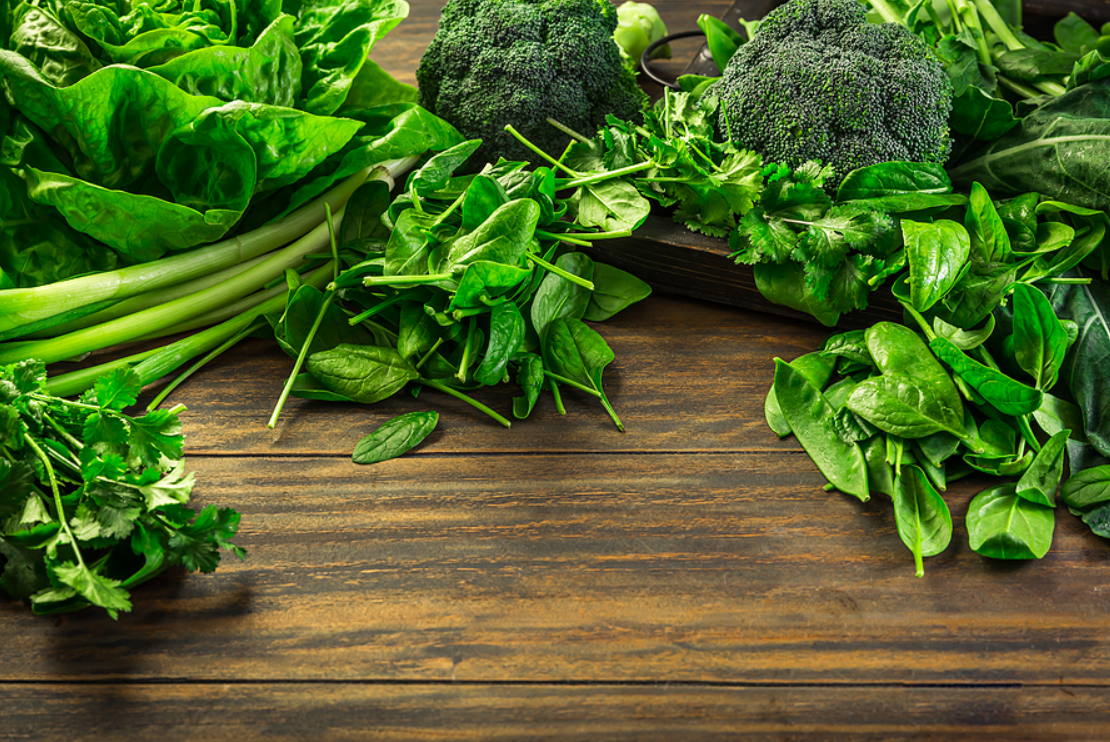
Leafy green vegetables are an essential part of a balanced diet and ideal for daily consumption. Fresh salads are quick to prepare and can be enjoyed at any time of day, either as a main dish or a side. These greens are rich in folate, which helps regulate neurotransmitters in the brain and has been linked to a reduced risk of depressive symptoms. They are also an excellent source of fiber, supporting a healthy microbiome and a stronger immune system.
Quality protein
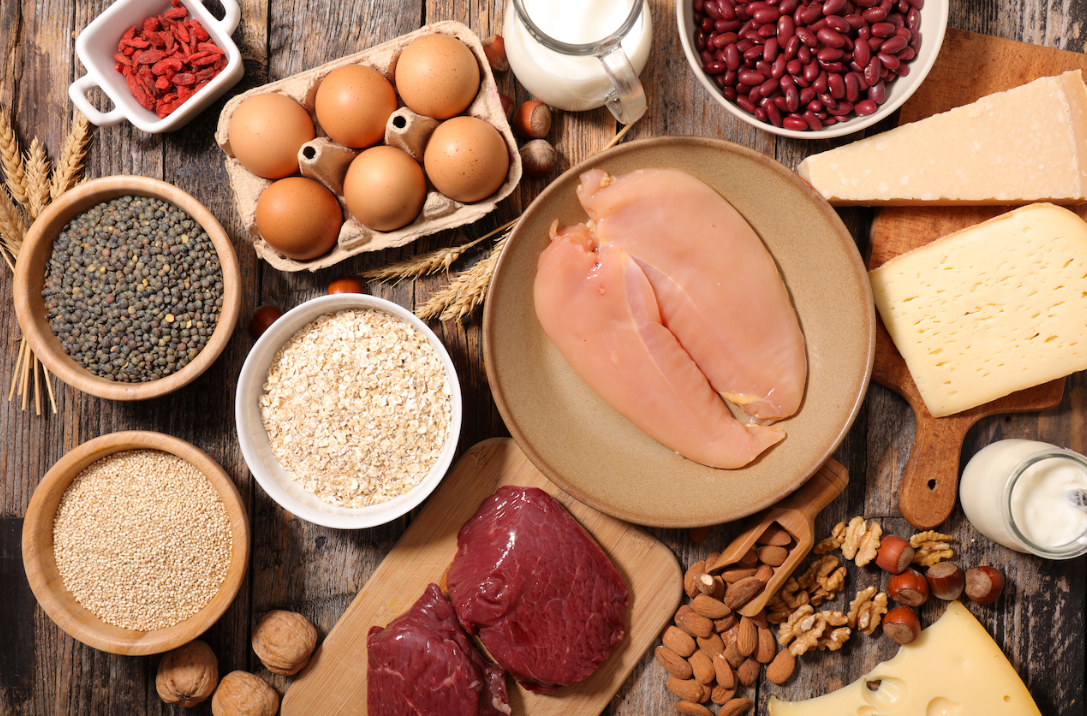
Protein-rich foods such as salmon, eggs, poultry, beef, and organic tofu provide important B vitamins that support the nervous system. During winter, adequate intake of B vitamins can help optimize mood and maintain energy levels. For those who avoid animal products, plant-based alternatives like chickpeas, lentils, and quinoa are excellent sources of protein and easy to prepare.
Fermented foods
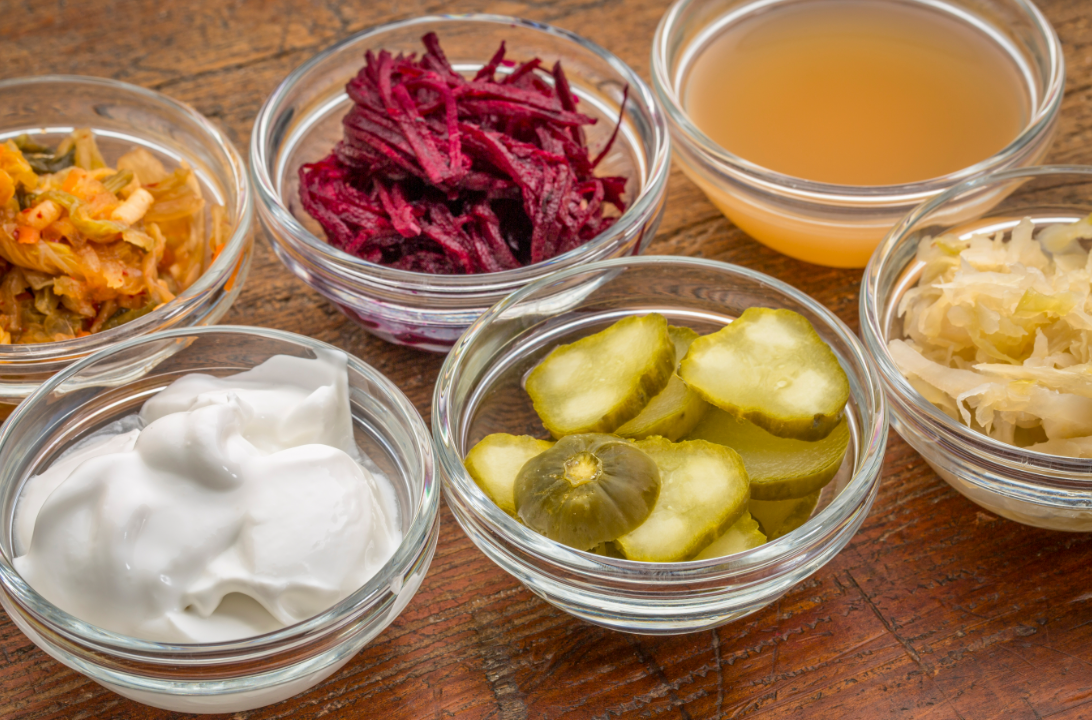
Yogurt, kefir, and sauerkraut are just a few examples of fermented foods rich in probiotics. Including them regularly in your diet helps maintain a healthy gut microbiome, which plays a key role in digestion, immunity, and overall well-being.
Spices

Especially during colder days, spices such as turmeric, black pepper, ginger, cinnamon, cayenne pepper, and saffron are ideal additions to soups, beverages, and comforting meals. Beyond enhancing flavor, spices contribute to immune support and may help improve mood, making them a simple yet powerful addition to a winter diet.
A balanced diet rich in whole, nourishing foods remains one of the most effective ways to support the body during winter, strengthening immunity, sustaining energy, and promoting mental well-being at the same time.
Supporting the immune system is not about quick fixes or drastic changes, but about consistency and intention. Small, thoughtful choices made every day, from adding a handful of leafy greens to a meal to incorporating fermented foods or warming spices, can have a meaningful impact over time. These habits build a foundation of resilience that allows the body to better adapt to seasonal challenges. By viewing food as both nourishment and protection, we shift our approach to wellness in a more sustainable direction. A diet rooted in whole, nutrient-dense ingredients supports not only physical health, but also mental clarity and emotional balance. During the colder months, when energy levels can dip and routines are easily disrupted, prioritizing immune-supportive foods becomes an act of care that extends well beyond the plate.